Table of Contents
More from Blog
Why Saliva Matters in Sjögren’s Syndrome: Protecting Oral Immunity and Preventing Complications
15 Jun, 2026
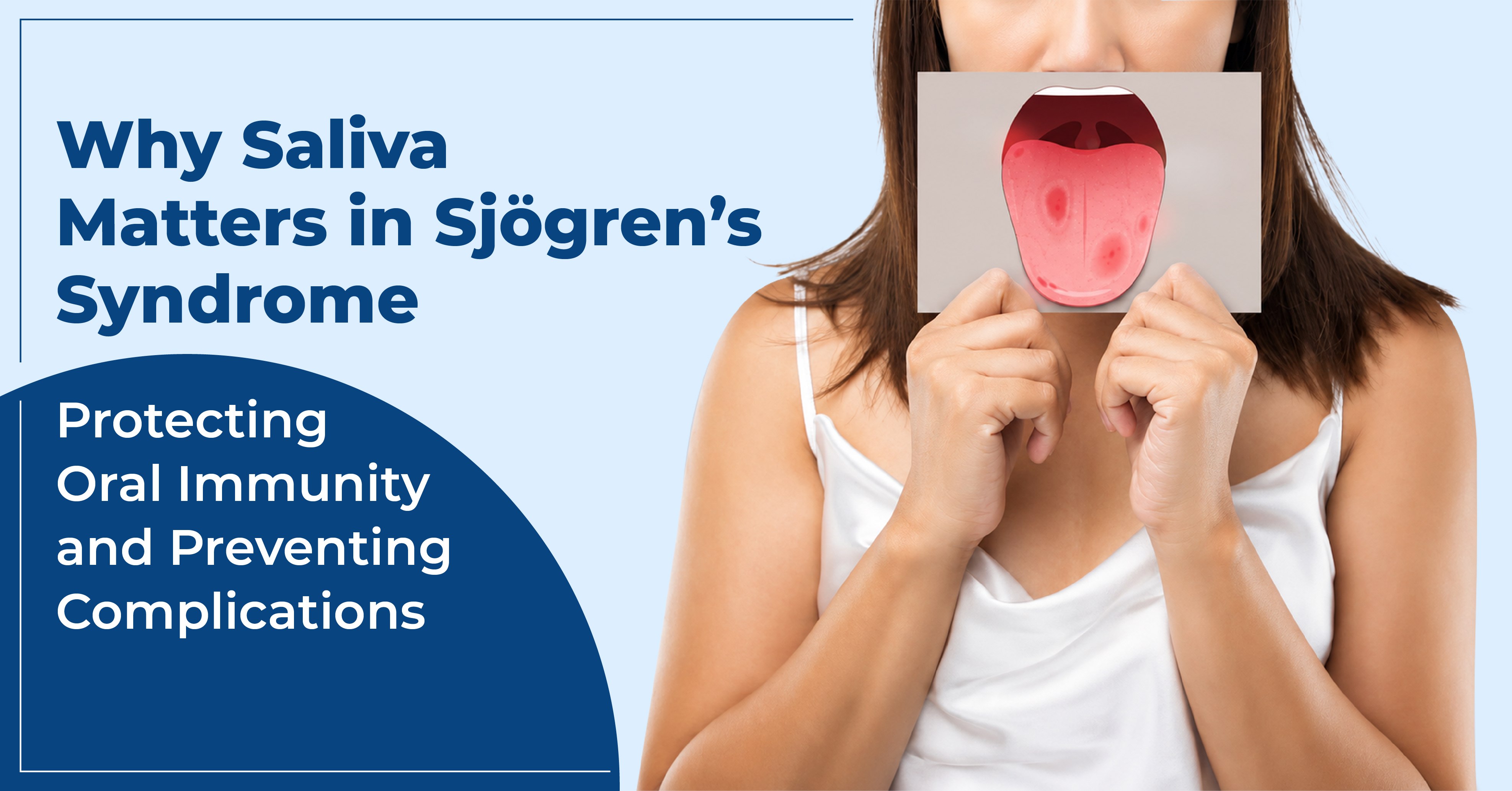
Saliva is something most people rarely think about—until there isn’t enough of it. For individuals living with Sjögren’s syndrome, reduced saliva production is not just uncomfortable; it can significantly impact oral health, immunity, and overall quality of life.
Dry mouth may seem like a minor inconvenience, but saliva plays a crucial role in protecting your mouth from infections, aiding digestion, and maintaining healthy teeth and gums. When saliva production drops, the mouth becomes more vulnerable to a range of complications.
What Is Sjögren’s Syndrome?
Sjögren’s syndrome is a chronic autoimmune condition in which the body’s immune system mistakenly attacks its own moisture-producing glands. The salivary and tear glands are most commonly affected, leading to persistent dry mouth and dry eyes.
This condition can occur on its own (primary Sjögren’s) or alongside other autoimmune diseases such as rheumatoid arthritis or lupus. While it affects different individuals in varying degrees, dryness remains one of its most defining and challenging symptoms.
The Critical Role of Saliva in Oral Health
Saliva does far more than keep your mouth moist. It acts as a natural defense system that supports oral immunity and overall health.
One of its primary functions is to wash away food particles and bacteria, preventing plaque buildup and tooth decay . Saliva also contains enzymes that begin the digestion process and proteins that help fight harmful microorganisms.
Additionally, saliva helps maintain the pH balance in the mouth. This is essential because an acidic environment can damage tooth enamel and encourage bacterial growth.
When saliva levels are adequate, your mouth stays protected, balanced, and healthy. But when production decreases—as in Sjögren’s syndrome —these protective mechanisms are compromised.
How Reduced Saliva Affects Oral Immunity
In Sjögren’s syndrome , reduced saliva flow weakens the mouth’s natural defense system.
Without enough saliva to cleanse the oral cavity, bacteria and fungi can multiply more easily. This increases the risk of infections , including oral thrush and gum disease .
The lack of saliva also means reduced antimicrobial proteins, which are essential for fighting pathogens. As a result, even minor irritations or injuries inside the mouth may take longer to heal.
Over time, this weakened oral immunity can lead to chronic inflammation, discomfort, and increased susceptibility to oral health problems .
Common Complications of Dry Mouth in Sjögren’s Syndrome
Dry mouth in Sjögren’s syndrome can lead to a range of complications if not managed properly.
Tooth decay is one of the most common issues. Saliva helps neutralize acids and protect enamel, so its absence makes teeth more vulnerable to cavities .
Gum disease is another concern. Reduced saliva can lead to plaque buildup and inflammation of the gums, which may progress if untreated.
Oral infections , such as fungal infections, are more likely due to the imbalance of microorganisms in the mouth.
Many individuals also experience difficulty in speaking, chewing, and swallowing, which can affect nutrition and daily comfort.
Additionally, persistent dryness may cause cracks at the corners of the mouth and a burning sensation on the tongue.
Signs That Your Saliva Levels Are Low
Recognizing the early signs of reduced saliva can help prevent complications.
You may notice a constant dry or sticky feeling in your mouth. Difficulty swallowing dry foods, frequent thirst, or a need to sip water often are also common indicators.
Bad breath , increased dental issues, or a change in taste sensation may signal that your saliva levels are insufficient .
If these symptoms persist, it’s important to take proactive steps to manage the condition.
How to Manage Dry Mouth and Protect Oral Health
While Sjögren’s syndrome cannot be cured, its symptoms—especially dry mouth —can be effectively managed with the right approach.
Stay Hydrated Throughout the Day
Drinking water regularly helps keep the mouth moist and supports basic oral function.
Stimulate Natural Saliva Production
Chewing sugar-free gum or sucking on sugar-free lozenges can help stimulate saliva flow .
Maintain Excellent Oral Hygiene
Brushing twice daily, flossing, and using fluoride-based products can help protect teeth and gums from damage.
Use Saliva Substitutes or Oral Moisturizers
Over-the-counter saliva substitutes can provide temporary relief and help keep the mouth comfortable.
Avoid Drying Substances
Limiting caffeine, alcohol, and tobacco is important, as these can further reduce saliva production .
Dietary Choices That Support Oral Health
Diet plays a significant role in managing dry mouth .
Soft, moist foods are easier to chew and swallow, reducing discomfort. Including foods rich in vitamins and antioxidants can support overall oral and immune health.
Avoiding sugary and acidic foods is crucial, as they can increase the risk of tooth decay in a dry mouth environment .
Adding healthy fats and staying well-nourished can also support tissue health and healing.
When to Seek Medical Advice
If dry mouth symptoms become severe or interfere with eating, speaking, or sleeping, it’s important to consult a healthcare professional .
Frequent dental issues , persistent oral infections , or significant discomfort should not be ignored. Early intervention can help prevent long-term complications and improve quality of life.
A doctor or dentist may recommend medications, specialized treatments, or tailored oral care routines to manage symptoms effectively.
FAQs
Why is saliva important in Sjögren’s syndrome?
Saliva protects the mouth by preventing infections, aiding digestion, and maintaining oral hygiene. Its reduction increases the risk of complications .
Can dry mouth damage teeth?
Yes, reduced saliva can lead to tooth decay , as it fails to neutralize acids and wash away bacteria.
How can I increase saliva naturally?
Staying hydrated, chewing sugar-free gum , and maintaining good oral hygiene can help stimulate saliva production .
Are saliva substitutes effective?
They can provide temporary relief and improve comfort, especially in severe dryness .
Is Sjögren’s syndrome curable?
There is no cure, but symptoms can be managed effectively with proper care and treatment.
Saliva plays a vital role in maintaining oral health and immunity —something that becomes especially clear in conditions like Sjögren’s syndrome . What may seem like a simple bodily function is actually a powerful defense system that protects your mouth and supports overall well-being.
For those living with Sjögren’s , managing dry mouth is not just about comfort—it’s about preventing complications and maintaining quality of life. With the right combination of hydration, oral care , and lifestyle adjustments, it is possible to protect your oral health and stay ahead of potential issues.
Taking care of your mouth is an essential part of taking care of your body—and it starts with understanding the importance of saliva .