Table of Contents
More from Blog
Diagnosis of Sjögren’s Syndrome: Tests, Procedures & What to Expect
14 Mar, 2026
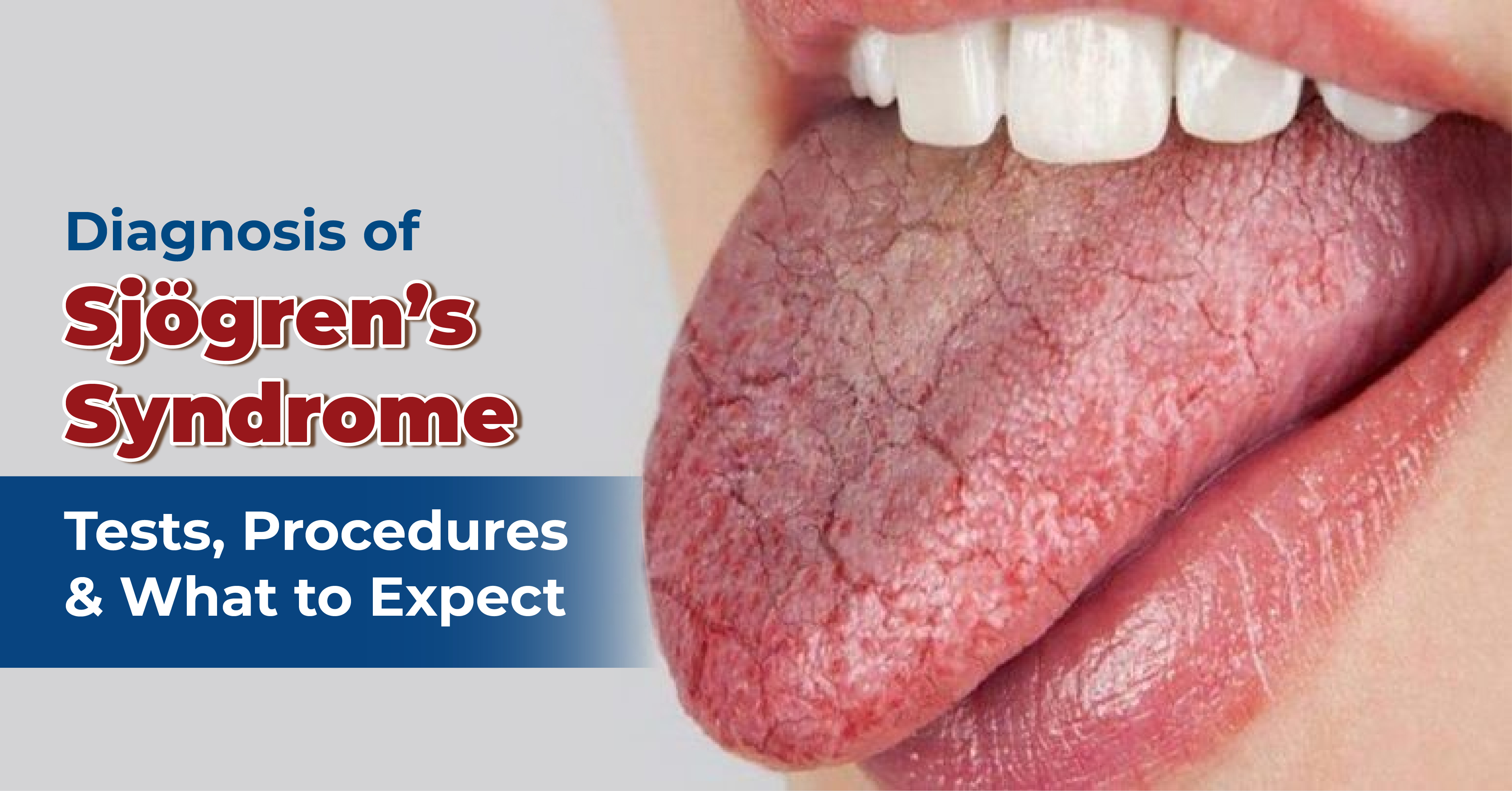
The diagnosis of Sjögren's Syndrome involves a combination of symptom review, blood tests, eye and saliva assessments, and sometimes a minor biopsy. There is no single definitive test, so clinicians use a structured approach to confirm the condition accurately.
Disease Overview - Understanding Sjögren's Syndrome
Sjögren's Syndrome is a chronic autoimmune disease in which the immune system mistakenly attacks the body's moisture-producing glands, particularly the tear and salivary glands.
Causes and Risk Factors
While the exact cause is unknown, Sjögren's Syndrome is associated with:
- Immune system dysfunction
- Genetic predisposition
- Hormonal influences
- Co-existing autoimmune diseases (e.g. rheumatoid arthritis, lupus)
It is more commonly diagnosed in women over the age of 40, though it can affect people of any age.
Common Symptoms and Daily Impact
Typical symptoms include:
- Persistent dry eyes
- Dry mouth and difficulty swallowing
- Fatigue
- Joint pain
- Increased dental decay
Dryness symptoms often prompt early supportive care using artificial tears, dry eye drops, saliva substitute, dry mouth spray, or oral lubricant gel, even before a formal diagnosis is confirmed.
Diagnosis of Sjögren's Syndrome - How It Is Confirmed
Diagnosing Sjögren's Syndrome can be complex because symptoms overlap with other conditions. Clinicians rely on international classification criteria that combine clinical findings and test results.
Clinical Evaluation
The diagnostic process typically begins with:
- Detailed symptom history
- Review of medications (many cause dryness)
- Assessment of autoimmune disease history
Patients are often referred to rheumatologists, ophthalmologists, or oral medicine specialists.
Key Tests and Procedures Used in Diagnosis
Blood Tests
Blood tests look for immune markers commonly associated with Sjögren's Syndrome, including:
- Anti-SSA (Ro) and Anti-SSB (La) antibodies
- Antinuclear antibodies (ANA)
- Rheumatoid factor (RF)
- Markers of inflammation
Positive antibodies support the diagnosis but are not present in all patients.
Eye Tests (Ocular Assessments)
Eye specialists may perform:
- Schirmer's test - measures tear production
- Ocular surface staining - assesses damage caused by dryness
Patients experiencing eye discomfort often use dry eye drops or artificial tears to relieve symptoms while investigations continue.
Salivary Gland Testing
Saliva production may be assessed through:
- Unstimulated salivary flow measurement
- Imaging of salivary glands (ultrasound or scintigraphy)
Reduced saliva explains symptoms such as speech difficulty, altered taste, and dental problems. Symptom relief commonly involves saliva substitute products, dry mouth spray, or oral lubricant gel.
Minor Salivary Gland Biopsy
In some cases, a lip biopsy is recommended to detect immune cell infiltration. This is:
- Performed under local anaesthetic
- Minimally invasive
- Used when other tests are inconclusive
Treatment Overview - Where Diagnosis Fits into Care
There is currently no cure for Sjögren's Syndrome, but early diagnosis allows for:
- Better symptom control
- Prevention of complications
- Monitoring of systemic involvement
Treatment plans are individualised and may include:
- Symptom-relief therapies
- Immune-modulating medications (specialist-guided)
- Regular dental and eye care
Supportive treatments such as artificial tears, dry eye drops, saliva substitute, dry mouth spray, and oral lubricant gel play a key role in daily symptom management.
How Symptom Relief Approaches Work
Mechanism of Action (High-Level Overview)
These supportive therapies do not alter the immune disease itself but help manage dryness by:
- Replacing or supplementing natural moisture
- Lubricating mucosal surfaces
- Reducing irritation and discomfort
For example:
- Artificial tears and dry eye drops help stabilise the tear film
- Saliva substitute and dry mouth spray improve oral comfort
- Oral lubricant gel provides longer-lasting moisture, especially overnight
Common User Questions About Diagnosis
Can Sjögren's Syndrome Be Detected Early?
Early detection is possible, but symptoms are often gradual. Persistent dryness lasting more than three months should prompt medical evaluation.
How Long Does Diagnosis Take?
Diagnosis may take several months due to referrals, multiple tests, and symptom overlap with other conditions.
Is the Diagnostic Process Painful?
Most tests are non-invasive. A lip biopsy, when required, is minor and usually well tolerated.
FAQ Section
What tests confirm Sjögren's Syndrome?
Diagnosis involves blood tests, eye assessments, salivary flow tests, and sometimes a minor salivary gland biopsy. No single test is definitive; results are interpreted together.
Do all patients test positive for antibodies?
No. Some patients have “seronegative” Sjögren's Syndrome, meaning antibodies are absent despite clear symptoms
Can dry eyes and dry mouth alone confirm diagnosis?
Symptoms alone are not enough. Objective tests are required to confirm gland dysfunction.
Is Sjögren's Syndrome serious?
It is usually manageable, but it can affect quality of life and occasionally involve other organs, requiring specialist monitoring.
Can symptom relief start before diagnosis?
Yes. Products such as artificial tears, dry eye drops, saliva substitute, dry mouth spray, and oral lubricant gel are commonly used early to improve comfort.
Key Takeaways
- Sjögren's Syndrome requires a multi-step diagnostic approach
- Blood, eye, and saliva tests are commonly used
- Early diagnosis supports better long-term management
- Symptom relief products are essential for daily comfort
- Specialist care improves monitoring and outcomes
Conclusion
A diagnosis of Sjögren's Syndrome can feel overwhelming, but understanding both the diagnostic process and available management options can help patients feel informed and supported. While no single test can confirm the condition on its own, a structured and specialist-led assessment allows for accurate diagnosis and appropriate ongoing care.
In addition to supportive measures for managing dryness, prescription therapies may be considered for suitable patients. Jögren (Pilocarpine 5 mg / Pilocarpine Hydrochloride Tablets USP) is an FDA-approved parasympathomimetic medication indicated for the treatment of dry mouth and dry eyes in patients with Sjögren's Disease. Clinically validated to stimulate the body's natural secretions, pilocarpine works by activating moisture-producing glands, helping to restore oral and ocular comfort and support everyday function when used under medical supervision.
Patients are encouraged to discuss all treatment options with a qualified healthcare professional to determine the most appropriate approach based on individual symptoms and medical history.
This content is intended for educational purposes only and does not replace professional medical advice, diagnosis, or treatment.