Table of Contents
More from Blog
Dry Eyes in Sjögren’s Syndrome: Artificial Tears vs Prescription Treatments - What Doctors Actually Recommend
05 Feb, 2026
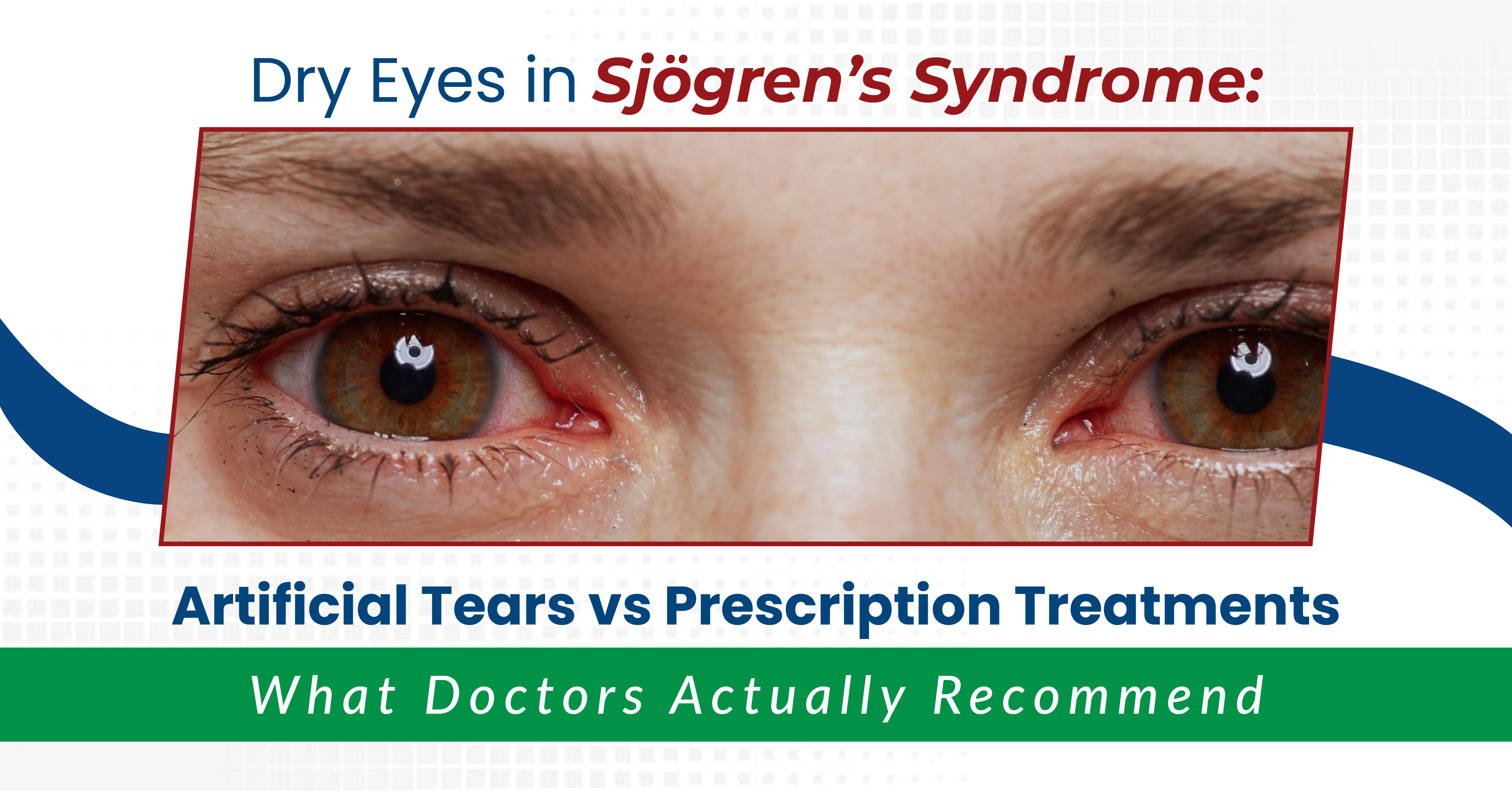
Dry eyes are a hallmark symptom of Sjögren’s syndrome, a chronic autoimmune condition that reduces tear production and causes persistent ocular dryness. It matters because untreated dry eyes can lead to irritation, blurred vision, and long-term eye surface damage. Treatment options range from over-the-counter artificial tears to medical therapies prescribed by eye care professionals. Understanding the differences helps individuals with Sjögren’s make informed choices alongside their healthcare provider.
What Is Sjögren’s Syndrome and Why It Causes Dry Eyes
Sjögren’s syndrome is an autoimmune disorder primarily affecting the body’s moisture-producing glands, including the lacrimal (tear) glands. In people with Sjögren’s, the immune system mistakenly attacks these glands, leading to reduced tear production and a persistently dry, gritty, or burning sensation in the eyes.
While dry eyes are commonly associated with age or environmental factors, Sjögren’s-related dryness stems from gland dysfunction. It’s not just occasional irritation - many individuals with the condition experience chronic, bothersome dryness that requires targeted management.
How Artificial Tears Work for Dry Eye Relief
Artificial tears are over-the-counter eye drops designed to supplement natural tears and alleviate dryness symptoms. They mimic the lubrication of natural tears and temporarily soothe discomfort.
Benefits of Artificial Tears
- Provide quick, temporary relief from irritation
- Easy to use and widely available
- Useful for mild to moderate dryness or symptom flares
- Can be used as often as needed without a prescription
Artificial tears come in various formulations, including preservative-free options suitable for people with sensitive eyes or frequent use. They work by adding moisture to the eye surface and reducing friction during blinking.
For some people with Sjögren’s syndrome, using preservative-free artificial tears for dry eyes can significantly improve comfort, especially in mild to moderate cases.
Prescription Treatments for Severe Dry Eyes
When artificial tears aren’t sufficient, eye care specialists may recommend prescription treatments. These therapies target inflammation, improve tear production, or protect the ocular surface.
Common Prescription Options
- Anti-inflammatory eye drops or ointments
- Medications that stimulate tear production
- Specialty tear substitutes with enhanced retention
- Punctal plugs to conserve existing tears
In some cases, oral medications designed to support gland function may be recommended as part of a comprehensive treatment plan. For example, individuals with systemic Sjögren’s often explore options like Sjogren’s syndrome tablets and dry eye support alongside topical therapies.
If you’ve been seeking targeted relief beyond basic drops, a doctor may consider medical treatments combined with lifestyle adjustments and prescription care.
Always discuss prescription treatment choices with your healthcare provider, especially if you have underlying autoimmune conditions.
Key Differences: Artificial Tears vs Prescription Options
Understanding these differences helps clarify when each option is appropriate and why a combined approach is often recommended.
| Feature | Artificial Tears | Prescription Treatments |
|---|---|---|
| Accessibility | Over-the-counter | Requires doctor consultation |
| Strength | Temporary relief | Longer-lasting, targeted therapy |
| Mechanism | Adds moisture | Reduces inflammation / promotes tear production |
| Use Case | Mild to moderate dryness | Severe or chronic dry eye |
| Cost | Usually lower | May be higher, often covered by insurance |
Artificial tears are typically the first line of defense and can be used frequently throughout the day. Prescription options come into play when symptoms are persistent or significantly affect quality of life.
When Doctors Recommend Advanced Treatments
Eye care specialists generally recommend considering medical therapy when:
- Dry eyes interfere with daily activities
- Over-the-counter tears offer insufficient relief
- The eye surface shows signs of damage
- Symptoms are chronic and progressive
In Sjögren’s syndrome, chronic inflammation of the tear glands often necessitates more than simple lubrication. Anti-inflammatory medications, tear stimulants, or other interventions may be recommended to preserve ocular health.
A comprehensive treatment plan may include prescription drops, in-office procedures, and lifestyle adjustments tailored to an individual’s unique needs.
Lifestyle Tips to Support Dry Eye Management
In addition to proper treatment, certain habits can help reduce discomfort and protect eye health.
Stay Hydrated
Adequate hydration supports overall body moisture and tear quality.
Blink Regularly
When using screens, practice intentional, slow blinks to help spread tears evenly.
Avoid Irritants
Limit exposure to wind, smoke, and dry, conditioned air where possible.
Warm Compresses
Applying gentle warmth to the eyes can help stimulate glands and support tear flow.
Nutritional Support
A balanced diet with omega-3 fatty acids may benefit eye lubrication.
Combining these habits with the right therapeutic choices can improve comfort and long-term outcomes.
Frequently Asked Questions
What are the first-line treatments for Sjögren’s-related dry eyes?
Doctors often start with artificial tears for dry eyes, lifestyle changes, and protective measures before advancing to prescription therapies.
Can artificial tears replace prescription treatments?
Artificial tears are effective for mild symptom relief but may not be sufficient for chronic, severe dryness seen in Sjögren’s syndrome.
Are there systemic treatments for Sjögren’s?
Yes, some medications and supportive supplements are designed to address underlying autoimmune activity and gland function.
How do I know if I need a prescription?
If dry eye symptoms persist despite frequent use of artificial tears or affect daily comfort, consult an eye care professional.
Final Takeaway
Dry, irritated eyes are a defining symptom of Sjögren’s syndrome and require thoughtful management. While preservative-free artificial tears for dry eyes offer quick, temporary relief, prescription treatments are often necessary for long-lasting comfort and gland support. Understanding the strengths and limitations of each option helps individuals with Sjögren’s collaboration with their healthcare team for optimal outcomes. With the right care plan - from over-the-counter relief to doctor-recommended therapies - managing dry eyes becomes more comfortable and sustainable.